Roofing work can feel confusing when you are comparing materials, safety requirements, repair options or full roof replacement. This resource centre gives North Shore homeowners clear, practical information before making decisions about their property.
The information here is based on hands-on roofing experience, licensed trade knowledge and the standards required for roofing, guttering and asbestos work across NSW.
Different roofing projects require different skills and qualifications. Understanding the main trade licences can help you choose the right contractor for your home.
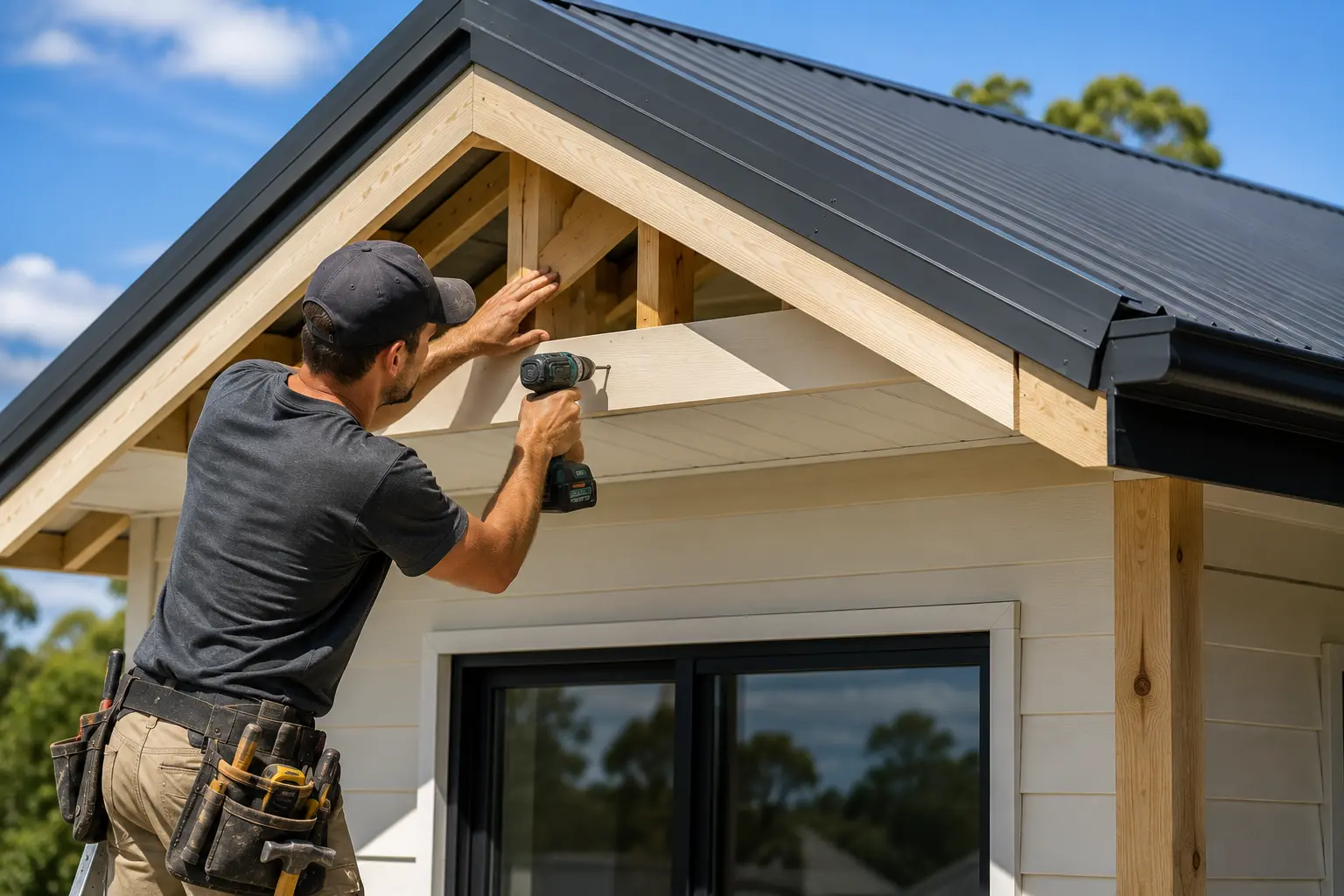
Not every roofing project is the same. Some projects may require additional licences, qualifications or multiple trades depending on the type and scope of work involved.
Learn More About Roofing Licences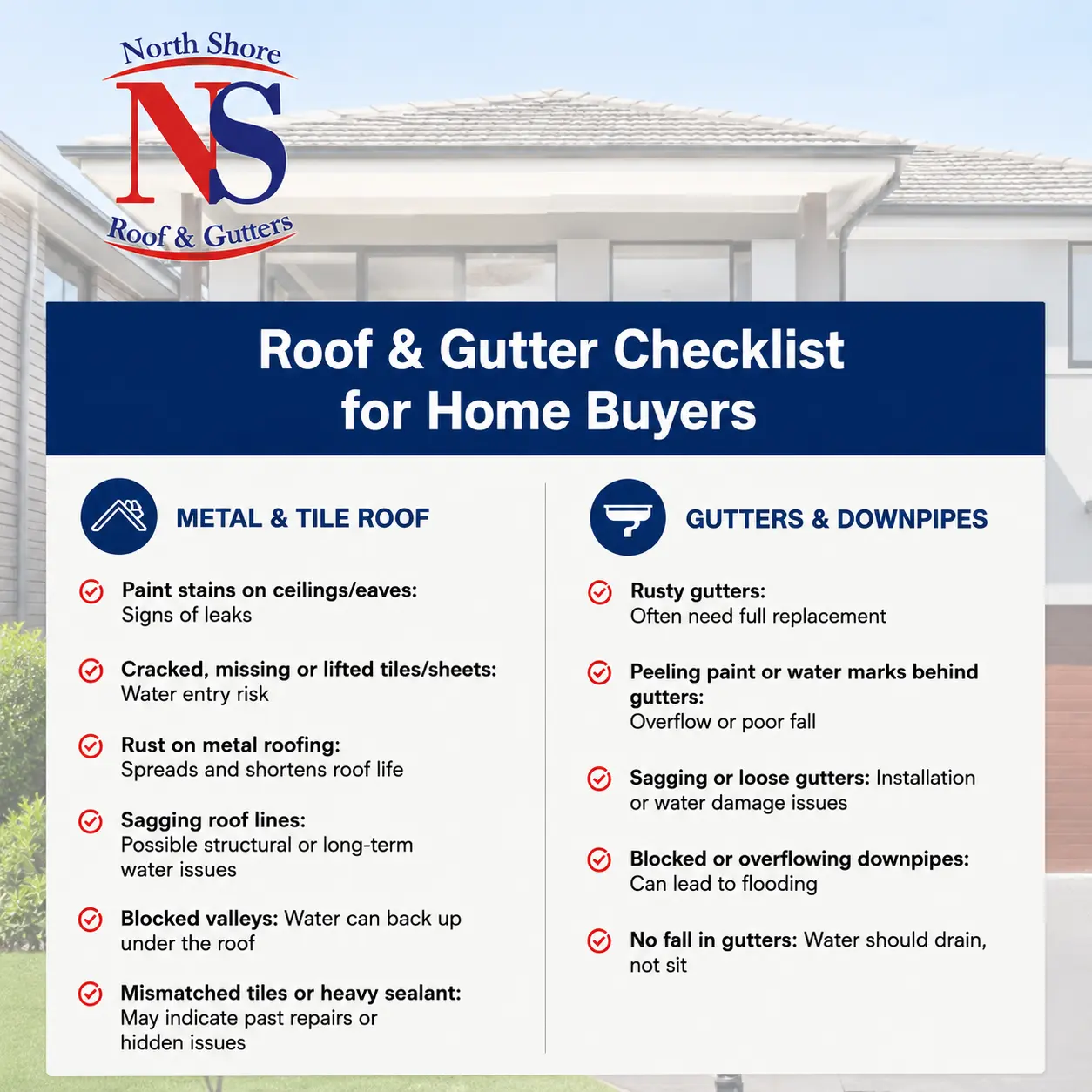
If you notice water stains, bubbling paint, sagging plaster or signs of a leak, act quickly. Even a small leak can cause damage to ceilings, insulation, timber framing and walls. Avoid temporary DIY patches where possible, as they can hide the real cause and make the problem worse.
Blocked gutters are one of the most common causes of roof leaks and water damage. When gutters overflow, water can back up under roofing materials, damage fascia boards and affect walls or foundations. Homes surrounded by trees may need gutter cleaning more often than once a year.
Small roofing issues do not always appear straight away. After heavy rain or storms, check for water stains, overflowing gutters, loose tiles, damaged flashing and unusual damp areas. Early inspection can prevent small problems becoming expensive repairs.
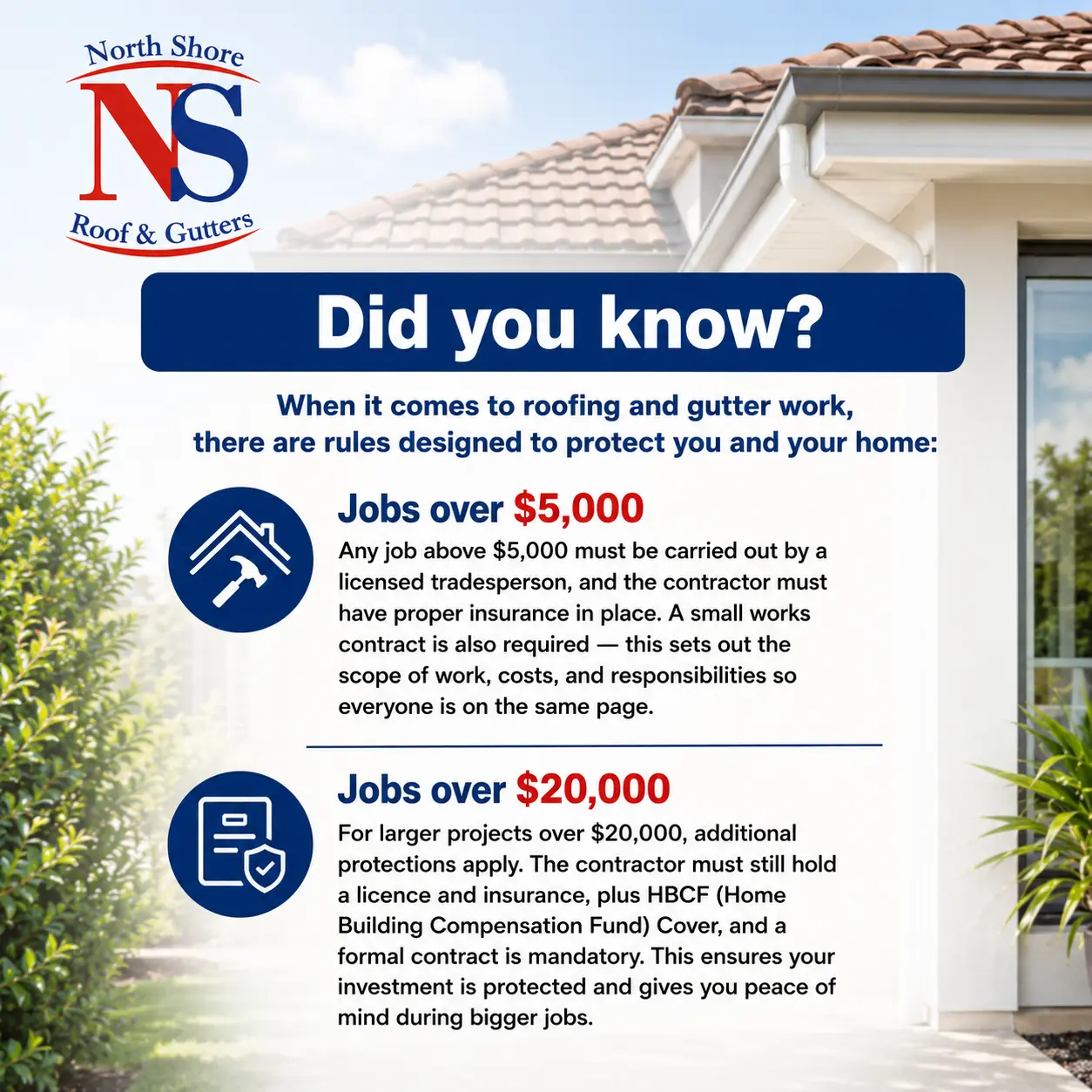
When hiring a roofer, check licences, insurance, experience, reviews and written quotes. The cheapest quote is not always the best option. Low-quality materials or incorrect installation can cost far more in the long term.
Concrete tiles are durable, widely used and more affordable than many other roofing options. They offer good insulation and noise reduction, but they are heavier than metal roofing and individual tiles may crack or need replacement over time.
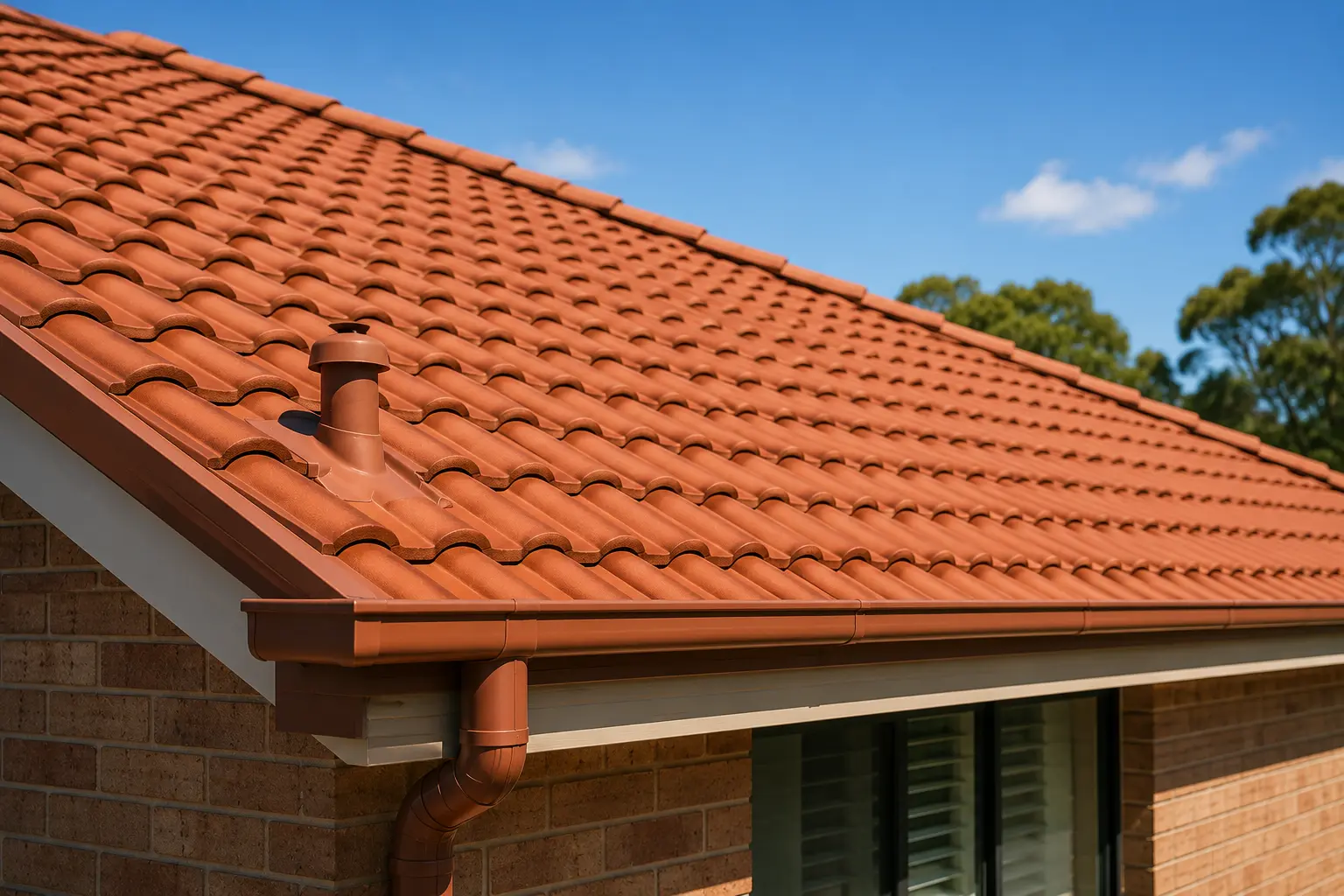
Clay tiles, including terracotta, provide a classic appearance and natural colour that does not fade easily. They are extremely durable and fire resistant, but they can be more expensive and may crack if walked on incorrectly.
Slate is a premium roofing material with a very long lifespan and a high-end, timeless appearance. It is extremely durable and weather resistant, but it is also heavy, expensive and requires experienced installers.
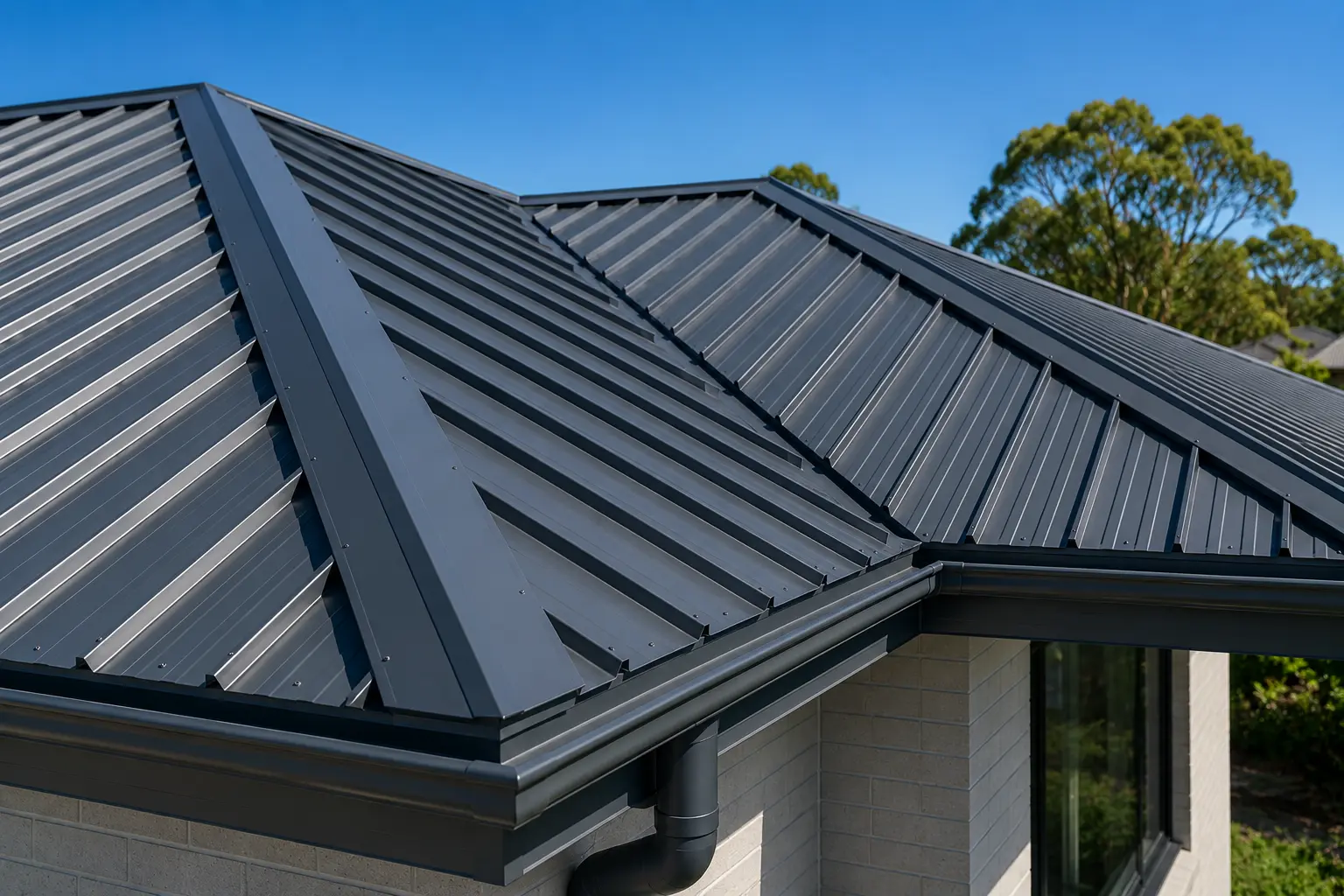
Metal roofing is lightweight, strong and low maintenance. Colorbond® offers a wide range of colours and excellent performance in Australian conditions, while Zincalume® provides strong corrosion resistance and long-term durability. Proper insulation and professional installation are important to manage noise, expansion and waterproofing.
Standing seam roofing creates a clean, modern architectural finish with concealed fixings that reduce the risk of leaks. It is durable and low maintenance, but it requires specialist installation and usually has a higher upfront cost.


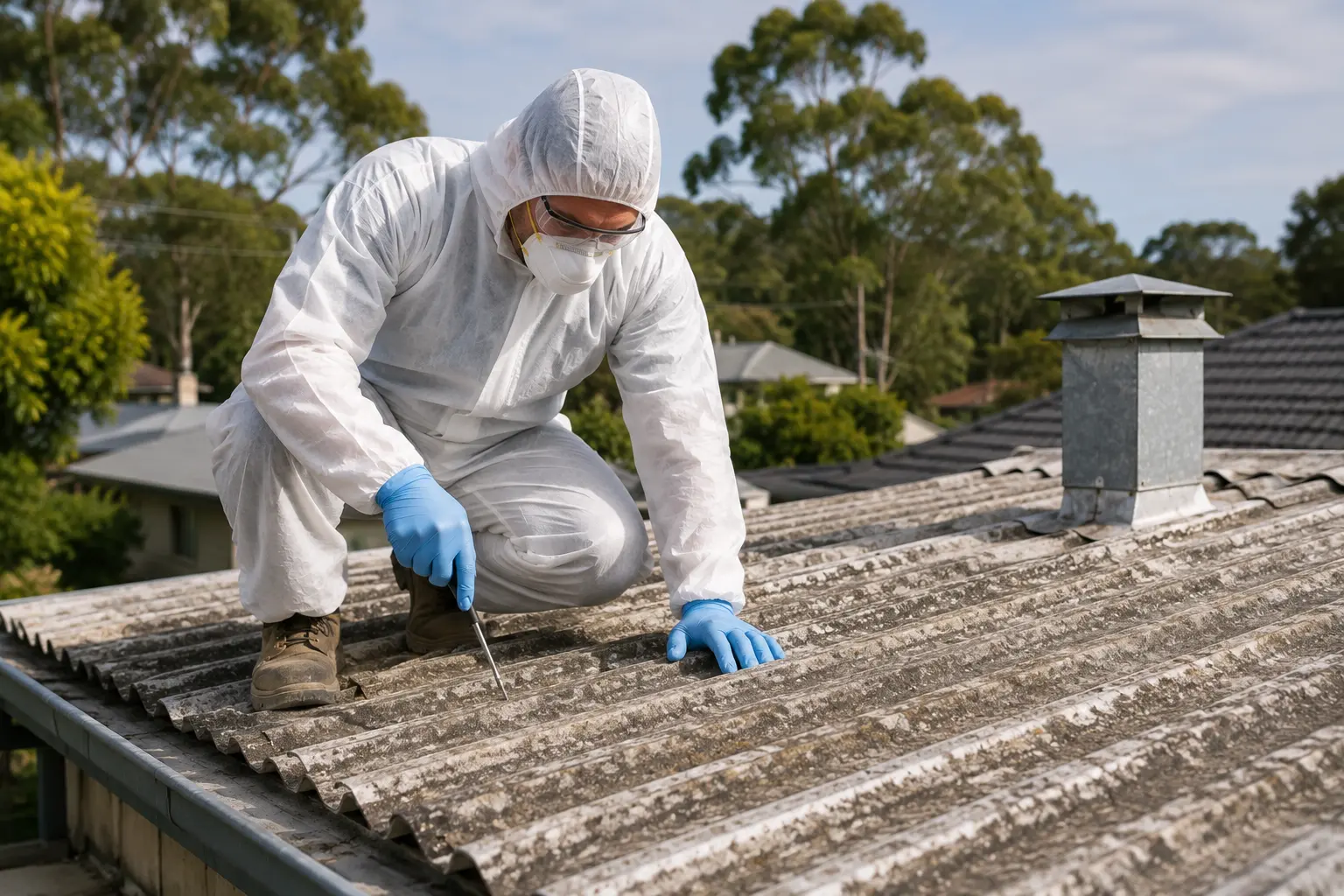
Many Australian homes built before the 1990s still contain asbestos roofing products. While asbestos is generally safe if left undisturbed, cutting, drilling, pressure cleaning or breaking asbestos materials can release dangerous fibres into the air.
Never pressure clean, drill, sand or break asbestos roofing materials. If you suspect your roof contains asbestos, arrange a professional inspection before carrying out any work.
Depending on its condition, asbestos may be encapsulated, enclosed, partially removed or completely removed. The safest and most suitable option depends on the age, condition and future plans for your property.
Asbestos is classified as hazardous waste in Australia. It must be wrapped, labelled, transported and disposed of at licensed facilities following strict NSW regulations.
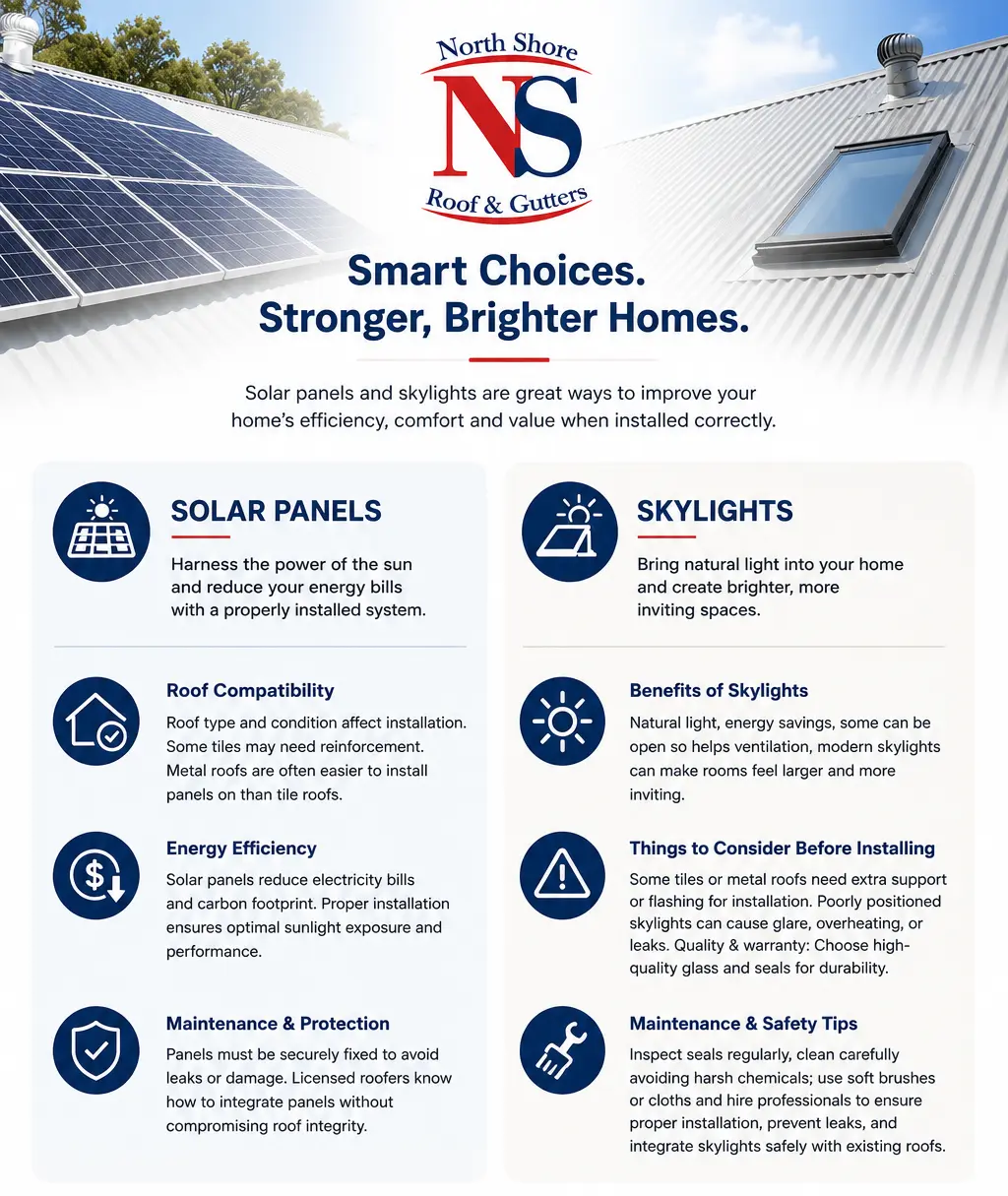
Skylights and solar panels are excellent additions to many Australian homes, improving comfort, reducing electricity costs and increasing property value when installed correctly.
Modern skylights bring natural light into darker areas of the home, making rooms feel brighter and larger while reducing the need for artificial lighting during the day.
Solar systems reduce electricity costs and environmental impact, but they should always be installed on a roof that is in good condition to avoid future removal and reinstatement costs.
Correct flashing, waterproofing and roof penetrations are critical. Poor installation is one of the most common causes of future roof leaks.
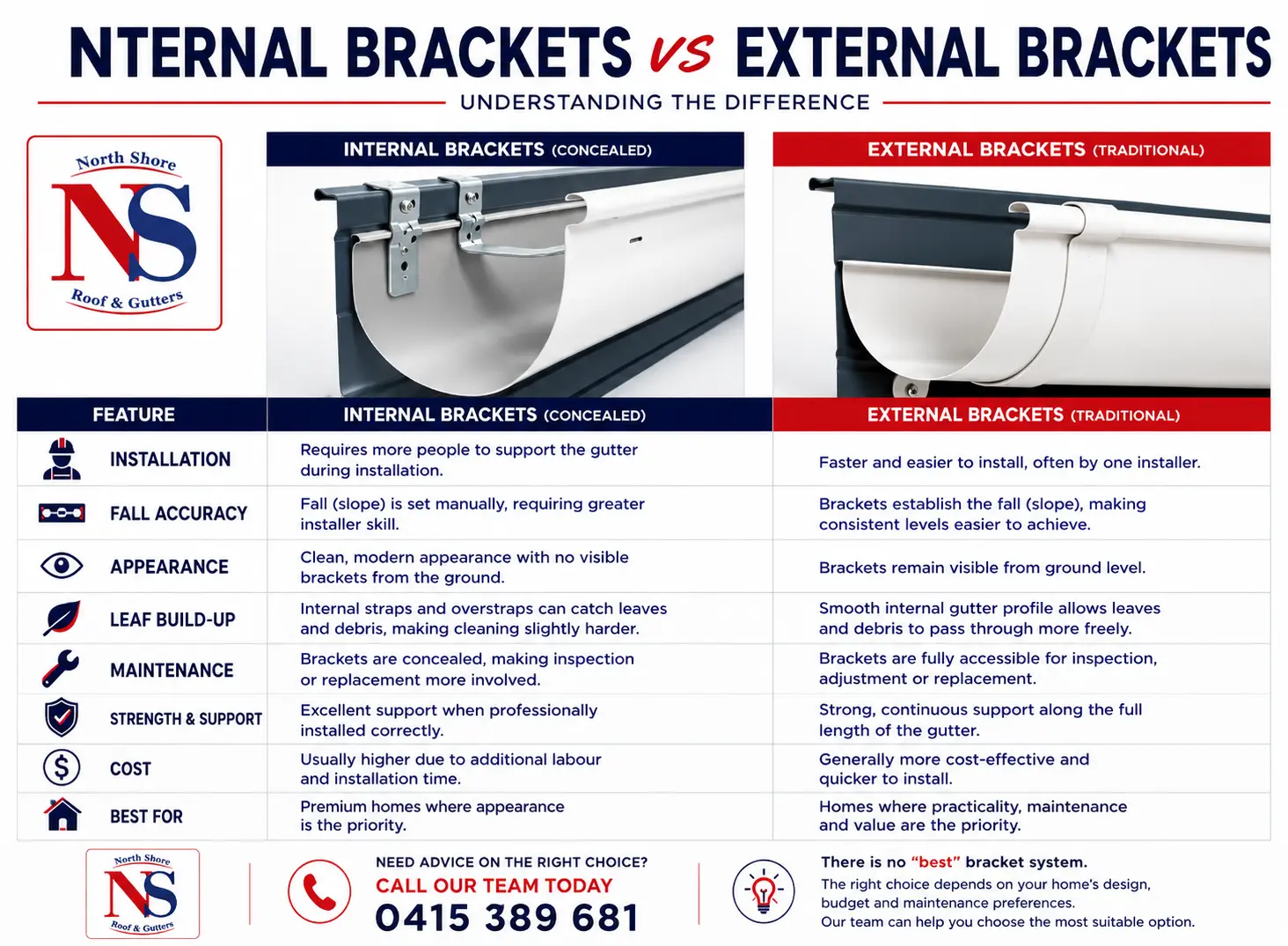
Ideal for homes surrounded by trees, gutter guards reduce leaf build-up, improve water flow and minimise ongoing gutter cleaning requirements.
Roof restoration can improve appearance, weather resistance and UV protection while extending the life of suitable roofs without requiring a complete replacement.
Larger drainage systems are ideal for homes with heavy rainfall, steep roofs or large catchment areas, helping reduce overflow and protect walls and foundations.
Localised leaks or damaged flashing can often be repaired, while widespread deterioration, structural damage or an ageing roof may make replacement the more economical long-term option.
These trusted organisations provide additional information about Australian building standards, roofing regulations and homeowner guidance.

National building regulations, standards and technical guidance.

Australia's technical requirements for building work and safety.

Official information about asbestos, roofing safety and homeowner responsibilities.

Building, renovation and property information for NSW homeowners.